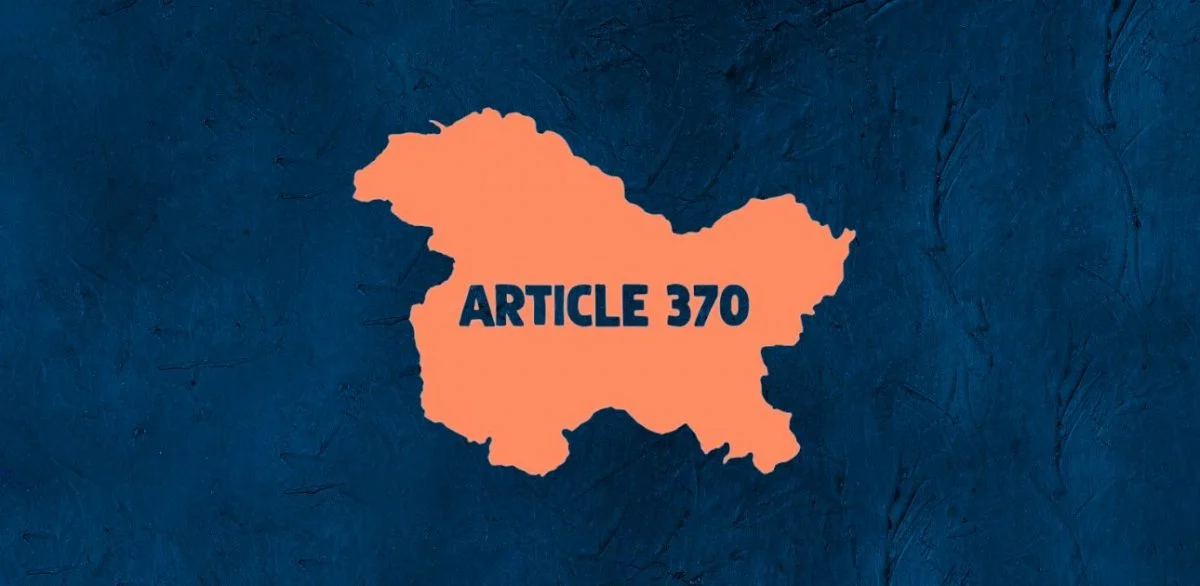
Article 370: The End of Kashmir’s Special Status
A
Abhina
June 27, 2024No Comments
"
The abrogation of Article 370 in August 2019 marked a seismic shift in India’s relationship with Jammu and Kashmir. To understand the full impact of this decision, we must look back to the tumultuous period of India’s partition and the unique circumstances that led to Kashmir’s accession to India.
Origins of Article 370
In 1947, as British India was partitioned into India and Pakistan, the princely states were given the choice to join either nation or remain independent. Maharaja Hari Singh, the Hindu ruler of the Muslim-majority Jammu and Kashmir, initially hesitated. However, faced with a Pakistan-backed tribal invasion, he signed the Instrument of Accession to India in October 1947.
To assuage concerns about Kashmir’s autonomy and to respect its unique character, Article 370 was introduced into the Indian Constitution in 1949. This provision granted Jammu and Kashmir significant autonomy, allowing it to have its own constitution, flag, and decision-making rights in all matters except defence, foreign affairs, and communications.
Seven Decades of Special Status
For 70 years, Article 370 defined Kashmir’s relationship with the rest of India. It allowed the state to maintain distinct residency laws, property ownership rules, and other special privileges. Proponents argued that this arrangement respected Kashmir’s cultural uniqueness and the terms of its accession to India. Critics, however, saw it as an impediment to full integration and a source of separatist sentiment.
The 2019 Abrogation
On August 5, 2019, the Indian government, led by Prime Minister Narendra Modi’s Bharatiya Janata Party (BJP), revoked Article 370 through a presidential order. The state was simultaneously bifurcated into two union territories: Jammu and Kashmir, and Ladakh. This move fulfilled a long-standing promise of the BJP to fully integrate Kashmir with the rest of India.
The Supreme Court’s Verdict
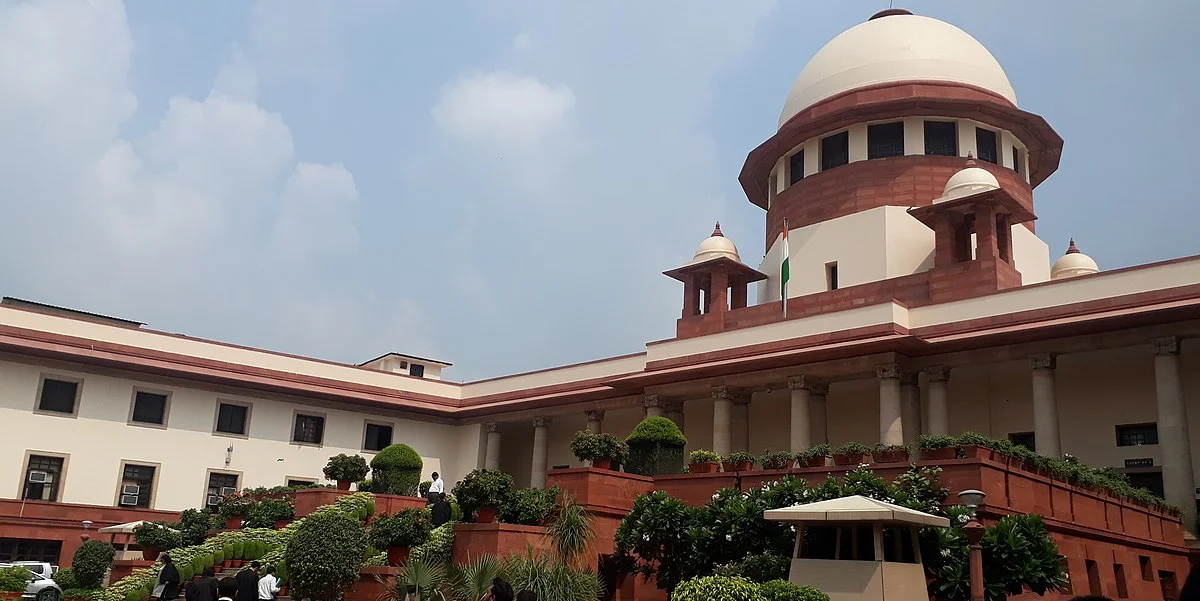
In a landmark judgment in December 2023, India’s Supreme Court upheld the central government’s decision to abrogate Article 370. The court ruled that the provision was temporary in nature and that Jammu and Kashmir did not retain sovereignty after joining the Indian Union. The verdict also directed the government to restore statehood to Jammu and Kashmir and conduct elections by September 30, 2024.
Implications for Kashmir
The abrogation of Article 370 has profound implications for Kashmir:
Political Landscape: The removal of special status and the impending elections could reshape Kashmir’s political dynamics, potentially giving rise to new political forces.
Economic Integration: With barriers to investment removed, Kashmir may see increased economic activity and development projects from other parts of India.
Demographic Concerns: Changes in residency laws have raised concerns about potential demographic shifts in the Muslim-majority region.
Security Situation: While the government argues that the move will help combat terrorism, there are concerns about potential unrest and the need for continued security presence.
A Complex Legacy
The story of Article 370 is a testament to India’s complex federal structure and the challenges of nation-building in a diverse society. Its abrogation represents a significant shift in India’s approach to Kashmir, moving from a model of asymmetric federalism to a push for greater integration.
As we look to the future, the success of this new approach will depend on how effectively the government can address the aspirations of the Kashmiri people, promote economic development, and maintain peace in this strategically crucial region. The restoration of statehood and the conduct of free and fair elections will be crucial steps in this process.
The abrogation of Article 370 has closed one chapter in Kashmir’s history, but the story of its integration with India is far from over. The coming years will be critical in determining whether this bold move leads to the peace, prosperity, and integration that its proponents envision, or whether it gives rise to new challenges in this long-troubled region.
Subscribe
By pressing the Subscribe button, you confirm that you have read our Privacy Policy.
Latest News


OFFER

Improve your English Skills
Join our online English Classes
Featured Categories
Share this article
Share this article
Abhinav
An educator with over 13 years of experience in language and communication training. Worked with multi national companies like HCL, Barclay's, American Express and many more. Certified from British Council.
READ ALL NEWSMore News
Politics
Article 370: The End of Kashmir's Special Status
Abhinav•July 18, 2024•0
Technology
SAMSUNG AI
Abhinav•July 13, 2024•0
Legal
Supreme Court rejects request to set up expert panel to oversee investigation into Hathras stampede
Abhinav•July 12, 2024•0
Legal
Supreme Court Grants Bail to Arvind Kejriwal in Delhi Liquor Policy Case
Abhinav•July 11, 2024•0
Education
Mastering Vocabulary at Home: A Guide to Fluency with Help from the National Institute of Language
Abhinav•July 10, 2024•0
Education
How to Improve Communication Skills at Home: A Comprehensive Guide
Abhinav•July 15, 2024•0